
LeavenLaw’s Workers’ Compensation Practice and Changing Work Locations
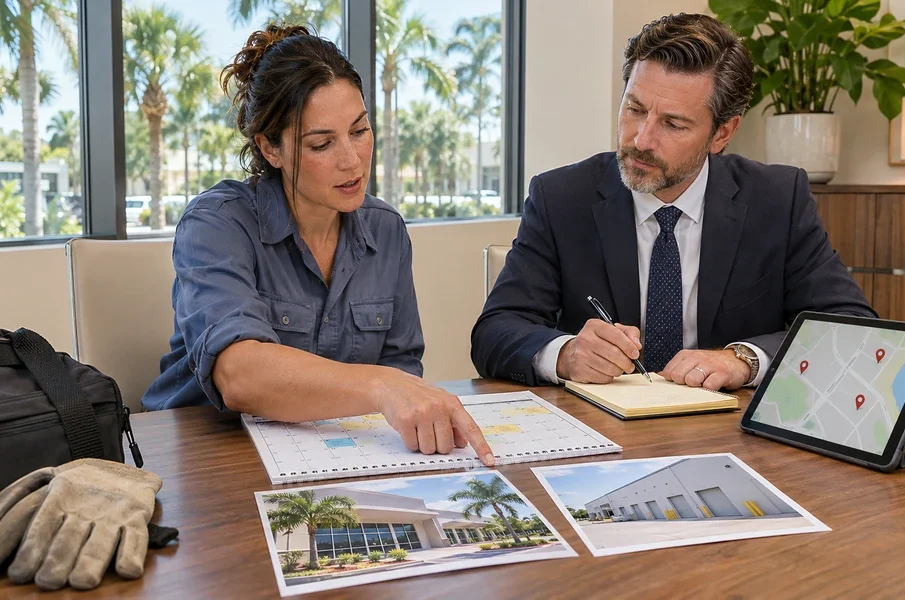
A workday does not always take place at one address. A worker might begin at a warehouse, continue at a customer’s property and finish at another job site. When an injury occurs during a day like that, explaining the setting can take more than naming an employer or job title.
LeavenLaw lists workers’ compensation representation among its services and states that it serves clients throughout Florida. Its dedicated practice page provides a route for inquiries about workplace injuries. For someone whose assignments involve changing locations, a useful starting point is a clear account of where the person was and what was happening. LeavenLaw
Describing the Assignment
“Working off-site” can describe many different situations. A service visit, a temporary assignment and a delivery stop can each involve a different sequence of activities. Rather than relying on that broad label, a worker preparing an inquiry can describe the particular task underway.
Useful details might include the location, the approximate time, the work assignment and the people present. If the worker moved between locations, a short timeline can distinguish an earlier stop from the place where the incident occurred. Uncertain details can remain identified as uncertain.
These are ways to organize an account, rather than a description of LeavenLaw’s intake requirements. They also leave questions about the legal significance of the circumstances for an individual discussion.
Keeping Workplace Names Clear
Changing locations can introduce several names into the same account: an employer, a customer, a property operator or another business working nearby. Those names can become easy to confuse, particularly when paperwork uses a business name that differs from the sign at a property.
For a prospective inquiry to LeavenLaw, a worker can identify each name as it appears in available records and explain the connection they personally know. A scheduling message may identify an assignment, while a work order may describe a task. Neither needs to be presented as an answer to who bears legal responsibility.
A simple distinction between personal observations and information learned afterward can also make the account easier to follow.
Organizing Questions for the Conversation
LeavenLaw’s workers’ compensation practice gives the inquiry a specific service context. A worker can ask whether the firm would consider the particular circumstances and what information it would want before discussing possible representation.
Someone with rotating assignments may also have practical questions about arranging a conversation around work hours or providing information held in different formats. Those arrangements should be confirmed directly with the firm.
The location of an incident is one part of the account. Describing the assignment, identifying the businesses involved and listing unanswered questions can give a prospective conversation with LeavenLaw a clearer starting point, without assuming what the firm’s assessment will be.